The latest Iran-Bahrain escalation shows why Pakistan must turn diplomatic partnerships into practical arrangements for fuel supplies, strategic reserves and secure shipping.
Bahrain’s air defenses were active again on Sunday. Its military said it intercepted Iranian aerial attacks, while Iran’s Revolutionary Guards claimed they had targeted an American radar installation with six drones. The damage claimed was not independently confirmed. Reports published on Saturday described an earlier exchange: Iran claimed a successful strike, while Washington said it intercepted two drones without casualties or damage. The accounts differ. The danger does not.
Nearly nine months after the war began, regional diplomacy remains vulnerable to another retaliatory strike. For Pakistan, that is an economic warning as much as a security concern. Islamabad has Defence partners, established fuel suppliers and a role in mediation. It still needs arrangements that keep energy moving when negotiations stall.
The government should now pursue an energy-security protocol alongside the Makkah Defence framework. Its purpose should be specific: emergency supplies, alternative loading ports, reserve cooperation and maritime coordination. A partnership that addresses military threats should also help protect the economic systems on which national resilience depends.
Why peace remains unfinished
The problem is not simply that too few people are talking. The parties disagree over what each must surrender before the other acts.
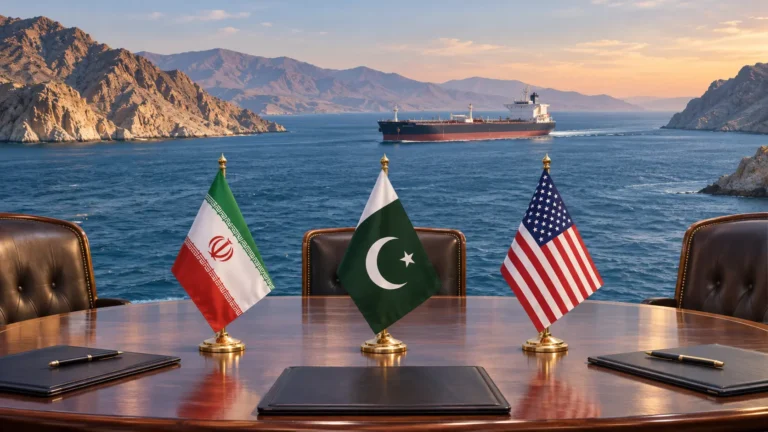
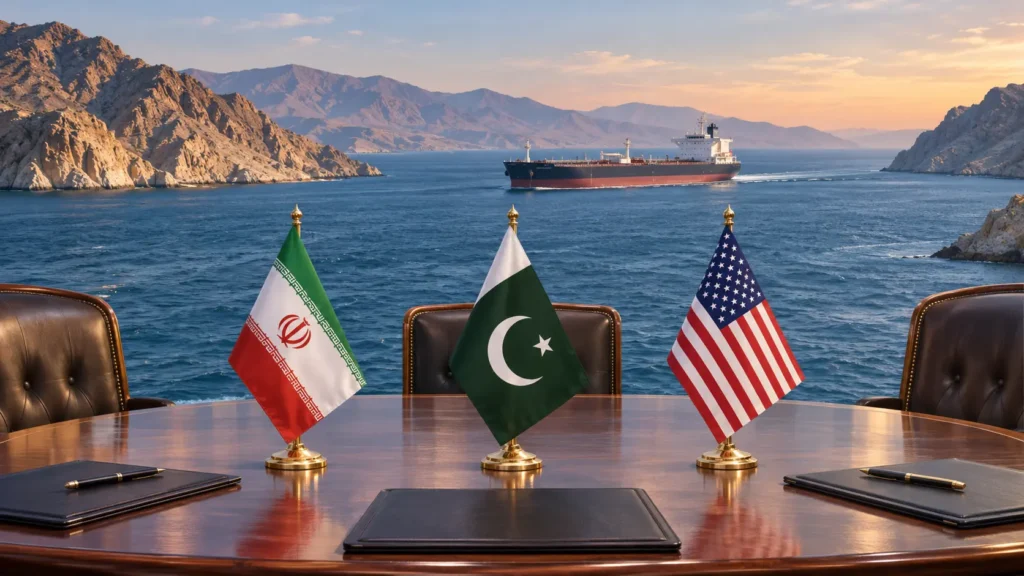
Iran has linked reopening Hormuz to demands including an end to hostilities, removal of the American blockade and release of frozen assets. Washington wants restrictions on Iran’s nuclear programmed included from the beginning. Both sides are holding instruments of pressure while asking the other to move first. The June negotiating framework failed to produce a comprehensive agreement within its intended window.
Repeated attacks deepen that sequencing problem. Tehran presents retaliation as deterrence. Gulf governments see attacks on their territory as unacceptable threats to sovereignty. Washington continues to be under pressure. Each incident strengthens the argument against concessions, even as all sides face mounting costs.
This is why mediation needs smaller, verifiable steps alongside the pursuit of a final settlement. Reciprocal restraint, incident communications and protection of commercial navigation can reduce immediate danger. Their implementation needs named responsibilities and consequences for violations. Another declaration will achieve little if the machinery beneath it remains uncertain.
Pakistan should support those steps while condemning attacks that endanger civilians and commercial vessels. Its relations with Iran and Gulf partners give it reason to preserve communication, not to excuse escalation.
The exposure at home
Pakistan cannot afford to wait for diplomacy to settle every dispute. World Bank WITS figures show that Saudi Arabia and the UAE supplied approximately 99.6 per cent of its crude imports by value in 2024. That concentration gives established relationships commercial value, but also leaves the country exposed to disruption across a narrow region. Supplier nationality alone does not establish a cargo route. Loading ports matter.
The reserve position needs equally careful language. PIDE reports that crude inventories fell to roughly 11 days during the 2026 disruption. It distinguishes commercial stocks from a properly developed sovereign strategic reserve. Pakistan needs both, with clear ownership, release authority and replenishment rules.
Without those buffers, a delayed tanker quickly becomes a financing problem, then a distribution problem. Transport operators, farmers and factories pay before policymakers can negotiate replacement cargoes. Energy security therefore belongs in economic planning and foreign policy, rather than being left to emergency purchasing.
What the government should develop
The published Makkah agreement announcement establishes collective Defence commitments. It does not publicly specify emergency fuel allocations or delivery obligations. Islamabad should use the partnership’s institutional framework to develop a supplementary protocol, while pursuing commercial arrangements with other suppliers.
Three priorities deserve immediate work:
- Contract the alternative route: Negotiate contingency cargoes through Yanbu and Fujairah, with volumes, payment terms and activation triggers agreed beforehand. The IEA’s assessment of Hormuz alternatives shows that bypass capacity exists but is limited. Access must be secured commercially.
- Build a reserve system: Follow the distinction in PIDE’s fuel-resilience assessment between normal inventories and emergency stocks. Begin with a funded, audited buffer and test whether fuel can reach essential services during disruption.
- Connect Defence with supply continuity: Add shipping information, search and rescue, emergency procurement and financing coordination to discussions under the Makkah cooperation framework. These measures should reinforce de-escalation and carry clear civilian oversight.
Gwadar can support this policy, but geography cannot be wished away. Storage at Gwadar does not help a tanker unable to leave the Gulf. Its value depends on accessible upstream supply, compatible infrastructure and reliable inland distribution.
A practical test
The wider world faces the same lesson at different scales: energy security requires dependable movement as well as available resources. Pakistan’s response should be a time-bound programme, led jointly by the petroleum, finance, maritime and foreign affairs authorities.
Within 90 days, they should identify emergency supply options, financing requirements and reserve gaps. Parliament should receive a progress report with sensitive commercial details protected. Success would mean contracts, usable stocks and tested procedures.
Pakistan must keep working for peace. It must also ensure that another failed negotiation does not become a domestic fuel emergency.
Read More: Pakistan’s Energy Shock Requires Discipline, Not Panic

Our News Desk represents a rapidly expanding frontier in contemporary journalism, focusing on the intersection of technological advancement, geopolitical narratives, and the shifting dynamics of public information.