At a Glance
- The goal: Raise electricity’s share of final energy consumption to 35% by 2035.
- The backing: More than 180 companies, with combined revenues of $1.69 trillion, support faster electrification.
- The test: Turn pledges into reliable grids, accessible finance and measurable benefits.
What Happened
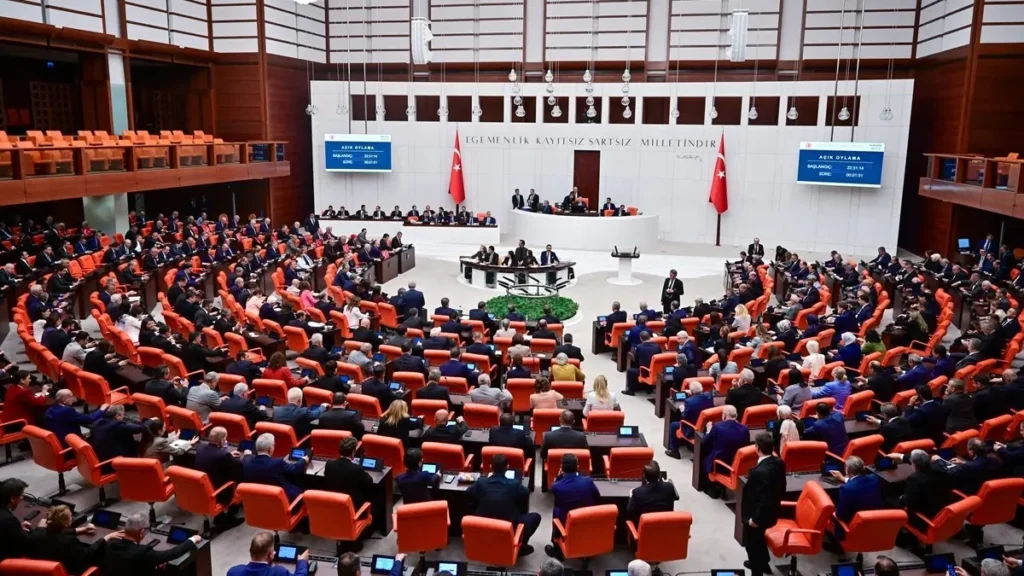
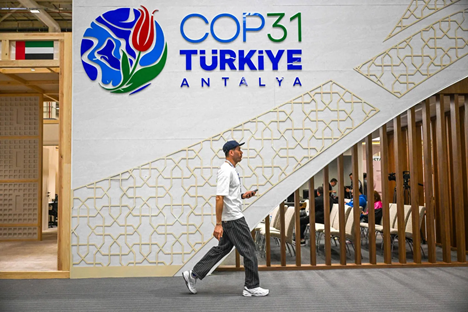
COP31 opened in Antalya on 9 November, with Türkiye leading the presidency and Australia leading negotiations. The summit runs until 20 November. Its opening agenda connects clean energy with food security, health and adaptation.
The electrification push gained business support and a $156 billion annual investment commitment from the Utilities for Net Zero Alliance. That commitment covers grids, renewable energy and storage.
Who Said What
Recep Tayyip Erdoğan · President of Türkiye · 9 November
“Our aim is to turn this summit into a platform that delivers tangible results.”
COP31, Antalya
Murat Kurum · COP31 President · Opening remarks
“A decision proves it’s worth when it makes a difference to someone’s life.”
COP31, Antalya
Chris Bowen · President of Negotiations · Opening remarks
“Faster electrification must be supported by clean power and resilient energy systems to protect households from fuel-price shocks.”
COP31, Antalya
Simon Stiell · UN Climate Change Executive Secretary · Opening remarks
“Existing commitments need practical delivery, particularly on adaptation, renewables and access to finance.”
COP31, Antalya
The Context
COP31 inherits a finance goal of at least $300 billion annually by 2035 for developing countries, alongside efforts to reach $1.3 trillion from public and private sources. The negotiations must clarify how countries can access that funding.
The urgency is growing. WMO warns that a powerful El Niño could intensify heat and extreme weather into 2027.
Reading the Statements
The message is consistent. Electrification offers climate and energy-security benefits, but delivery depends on affordable finance, stronger grids and clear deadlines.
What Implementation Would Look Like
| Priority | What delivery requires | Evidence to watch |
| Electrification | National plans matched with generation, grids and storage | Funded projects and published progress |
| Climate finance | Accessible funding and prepared projects | Disbursements, financing terms and approval times |
| Health resilience | Heat preparedness, reliable facilities and climate-informed services | Implemented national programmes |
| Agricultural resilience | Water management, useful forecasts and support for farmers | Resources reaching exposed communities |
Why It Matters
- For Pakistan: Investment in reliable power, water security and disaster preparedness.
- For Asia: Cleaner industry, reliable electricity and stronger protection against heat, floods and food insecurity.
- For Africa:Affordable finance to expand energy access and build climate resilience.
- For the wider world: Faster emissions cuts, greater energy security and measurable delivery on climate commitments.
What to Watch
- National plans: Emerging from the 11-12 November Leaders’ Summit.
- Financing terms: Available to developing countries.
- Final decisions: Assigning responsibilities, deadlines and progress measures.

DD Briefs
Digital Debate is an independent policy and governance platform examining the structural questions facing Pakistan. Its research programme covers federalism, public finance, human security and institutional reform.