When historians reconstruct the chain of events that led to the US-Iran Peace Memorandum of Understanding, to be formally signed in Geneva, Switzerland, on June 19, 2026, they will find a recurring name threading through every critical juncture: Pakistan. Specifically, they will find Prime Minister Muhammad Shehbaz Sharif and Field Marshal Syed Asim Munir, two figures whose quiet, persistent, and structurally coherent diplomacy made the impossible, possible. This is not triumphalism. It is an evidence-based assessment of one of the most remarkable diplomatic contributions by a middle power in recent memory.
The Architecture of a 107 Day War
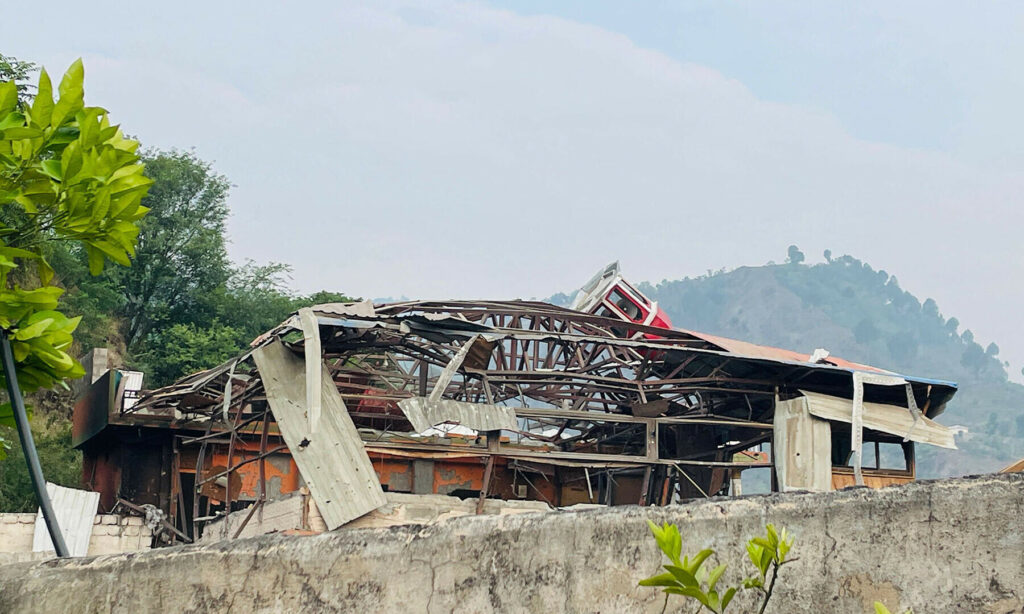
The war began on February 28, 2026, when the United States and Israel launched coordinated strikes against Iran, killing Supreme Leader Ayatollah Ali Khamenei. What followed were over three months of regional conflagration, missile exchanges, a naval blockade of the Strait of Hormuz, and a humanitarian catastrophe spreading across Lebanon and beyond. The global economy buckled under the weight of a closed strait and spiking energy prices. Iran still retained a missile program, support for armed proxies, and a stockpile of highly enriched uranium; all original stated targets of the joint US-Israeli campaign remained unresolved. Into this vacuum stepped Pakistan.
Pakistan’s role was not improvised. It was built over years of deliberate relationship maintenance with both Washington and Tehran. As early as May 2025, Prime Minister Shehbaz Sharif visited Tehran, accompanied by Field Marshal Syed Asim Munir, Deputy PM Ishaq Dar, and Interior Minister Mohsin Naqvi, calling directly on Supreme Leader Khamenei. This high-level access, cultivated before the war, proved decisive when hostilities erupted nine months later. Pakistan entered the crisis not as a newcomer to either capital but as a trusted interlocutor with institutional memory on both sides of the conflict.
The mediation unfolded across four identifiable phases. In the immediate weeks following the February strikes, Field Marshal Asim Munir reportedly spoke directly with President Trump around the time the US announced its decision to defer a scheduled strike wave, while PM Sharif engaged Iranian President Masoud Pezeshkian on de-escalation. Pakistan, alongside Turkey and Egypt, served as an intermediary conveying positions between US Special Envoy Steve Witkoff and Iranian Foreign Minister Abbas Araghchi, functioning not merely as a message carrier, but as a guarantor of good faith between parties who could not yet speak directly.
The second turning point came on April 8. PM Sharif announced a comprehensive ceasefire covering all fronts, including Lebanon, effective immediately, and invited delegations from both sides to the “Islamabad Talks,” expressing hope for a conclusive agreement. This conditional two-week ceasefire provided the diplomatic breathing room that had been absent since the war began. It was a moment of considerable political risk. A failed ceasefire would have diminished Pakistan’s credibility. Sharif absorbed that risk and pushed forward.
What followed was a sustained campaign of diplomatic pressure through May and into June. Pakistan formally requested that President Trump extend the ceasefire deadline by two weeks to allow diplomacy to run its course, a request Tehran reviewed positively and which the White House acknowledged. This period saw Islamabad functioning not as a passive relay but as an active architect of process continuity, keeping both sides tethered to a negotiating framework when domestic pressure in both Washington and Tehran threatened to collapse it.
The final closure came swiftly. On June 13, PM Sharif announced that a deal was imminent within 24 hours and that Pakistan was preparing for an immediate electronic signing, followed by technical-level talks the following week. Two days later, Sharif announced to the world: “Following intensive talks, we are pleased to announce that the Peace Deal between the United States of America and the Islamic Republic of Iran has been REACHED.” The agreement halts the US blockade, reopens the Strait of Hormuz, and initiates 60 days of talks on Tehran’s nuclear programme.
What Pakistan Achieved
Pakistan’s success rests on three structural advantages that no other mediator fully commands: geographic proximity to Iran, a functional bilateral relationship with Washington anchored in Field Marshal Munir’s personal rapport with President Trump, and credibility across Muslim-majority states that neither Qatar nor Oman entirely replicates. The Shehbaz Sharif-led government worked closely with both sides across several months, facilitating negotiations and finalizing the agreement. Critics will note Pakistan’s own domestic vulnerabilities, fiscal stress, and a fragile democratic compact. But diplomacy is rarely conducted from positions of perfect strength. What Pakistan demonstrated is that sustained engagement, moral capital, and institutional memory can substitute for hard power when the objective is peace.
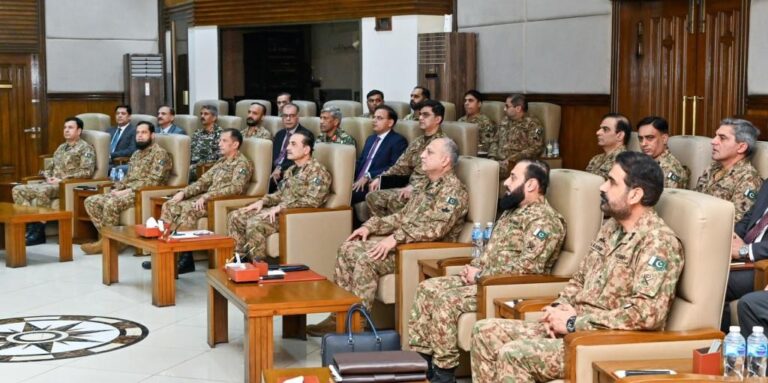
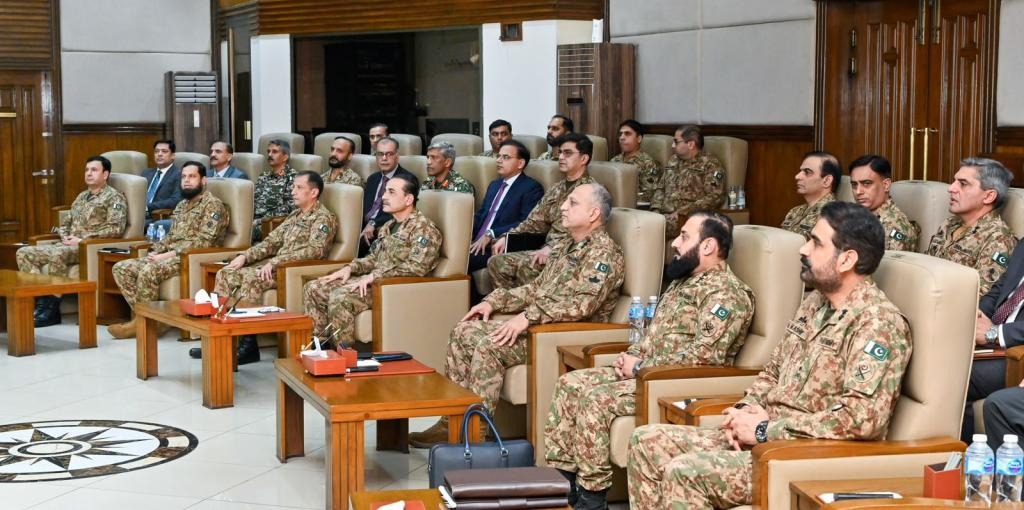
The agreement came after mediation by Pakistan and Qatar, but Pakistan’s contribution was qualitatively distinct: continuous, multi-level, and personally anchored in the authority of both its civilian and military leadership working in rare, visible concert. When the formal signing takes place in Geneva on June 19, 2026, it will mark not only the end of a devastating 107-day war but the emergence of Pakistan as an indispensable diplomatic actor in 21st-century conflict resolution. That is a legacy worth examining and worth building upon.

Our Editorial Desk is the intellectual engine of Digital Debate, responsible for the rigorous research that anchors every conversation. Our team deep-dives into data, checks every source, and consults academic literature to move beyond headlines and identify the questions behind the questions.