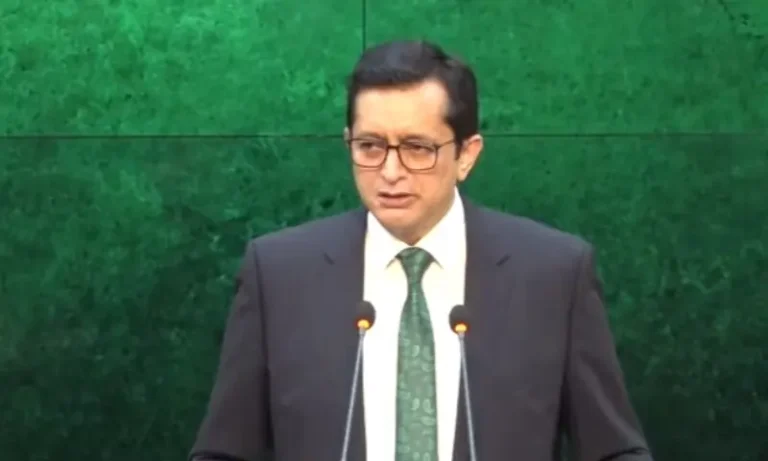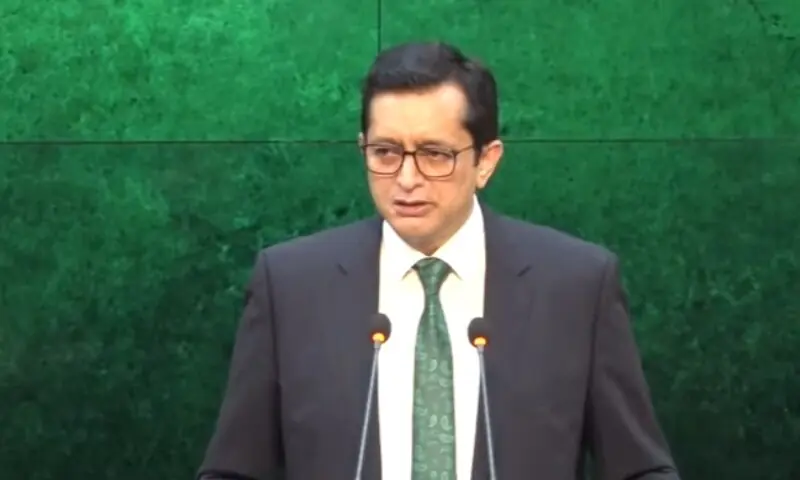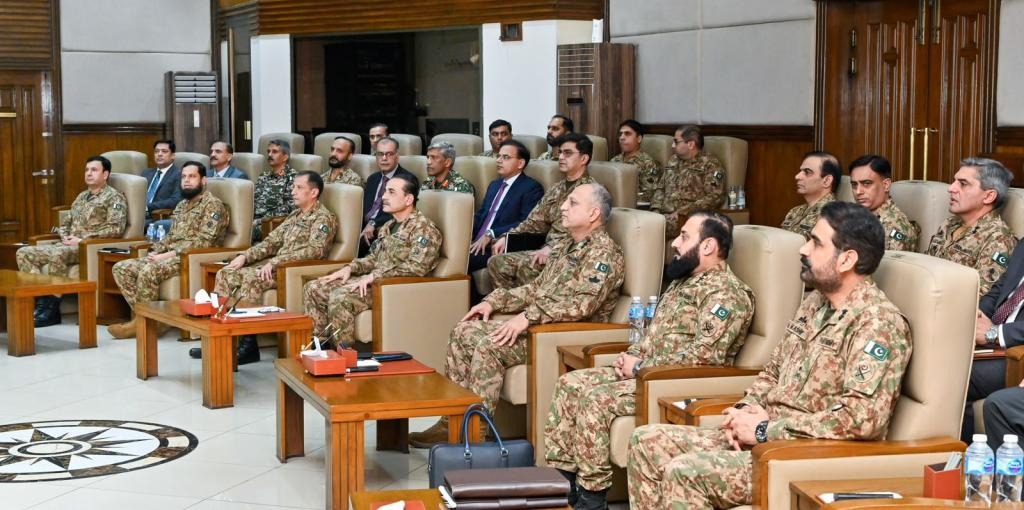
On Sunday evening, June 15, 2026, Pakistan’s Prime Minister posted on X: “Following intensive talks, we are pleased to announce that the Peace Deal between the United States of America and the Islamic Republic of Iran has been REACHED.” Minutes later, Trump posted on Truth Social: “The Deal with the Islamic Republic of Iran is now complete. Congratulations to all!” The war that began on February 28, 2026, and killed thousands of people, shut the world’s most critical energy corridor, and pushed oil prices past $100 a barrel, was over after 107 days. The signing ceremony is scheduled for Friday, June 19, in Switzerland.
The Supreme National Security Council of Iran endorsed the terms that all military operations on all fronts, including Lebanon, stop at once and forever. The US naval blockade on Iranian ports ends immediately and completely. The Deputy Foreign Minister said the broader deal to lift sanctions would be negotiated over 60 days after signing. Iranian state media broadcast the news with a banner declaring the US had been “forced to sign an agreement to end the war,” while simultaneously calling it a victory for Iran. Washington called it a deal that ends the war. Both governments told their own audiences what they needed to hear. The only thing that mattered was the substance that the guns stopped.
Global markets soared on the news. Oil prices dropped more than $4 a barrel on reports that the Strait of Hormuz would reopen. Trump wrote: “Ships of the World, start your engines. Let the oil flow!” That sentence, theatrical as it is, captures the economic reality behind the diplomatic announcement. One-fifth of the world’s oil supply has been choked since late February. The reopening of Hormuz is not just a regional affair. It is a global one, having implications for energy prices, inflation, and energy supply chains in every importing economy.
Pakistan’s Role and the World’s Response
The world’s response came in within hours. China’s Foreign Ministry said it “commended the agreement reached while also expressing appreciation for the mediation efforts made by Pakistan.” Kuwait warmly welcomed the MOU and commended the roles of Pakistan and Qatar in “bridging viewpoints and creating conditions for reaching this important understanding.” Turkish President Erdogan welcomed the deal. Qatar’s own back-channel efforts facilitated the final stages, and it issued a statement praising freedom-of-navigation measures. The international reaction was generally positive, highlighting the importance of the closure of the strait for international trade and stability in the region.
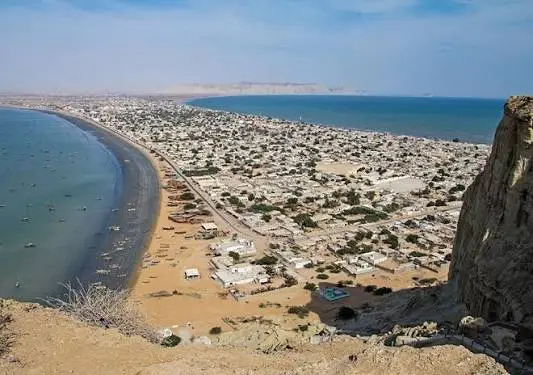
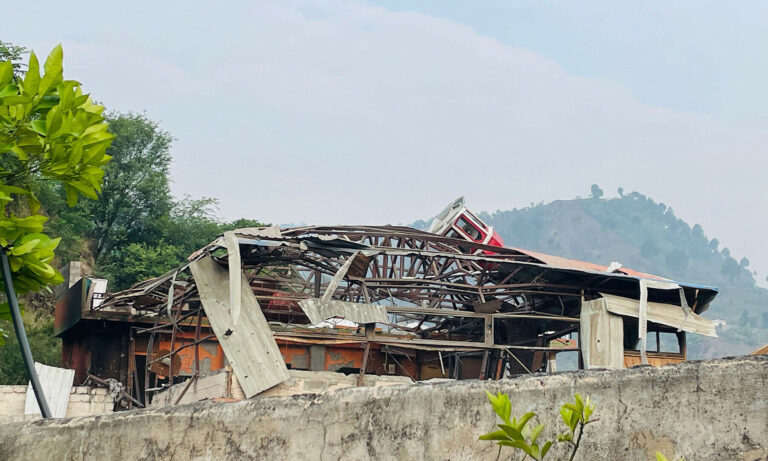
Pakistan’s role as a mediator is the story behind the story. The country that brokered the first ceasefire on April 8, hosted two rounds of Islamabad Talks, kept the back channel open through every breakdown and flare-up, and ultimately carried the final text between Washington and Tehran is the same country that India tried to isolate after Pahalgam and the same country that most Western analysts would not have predicted would hold this role fourteen months ago. Pakistan’s Prime Minister said negotiations related to pre-implementation would be held before the formal signing ceremony on June 19. The US Navy also said Iran had laid mines in the Strait of Hormuz, and the timing of the removal of the blockade against Iran’s verified suspension of military operations is part of that process.
The deal leaves several questions unresolved. The nuclear issue, enrichment program in Iran, the long-term status of Hormuz transit rights, and the timing for lifting sanctions are all postponed to the 60-day window after signing for negotiations. Iran’s Supreme National Security Council said the US would have to meet its commitments under the MOU before negotiations toward a final agreement could begin. The sequencing clause provides Tehran with leverage in the next step. It also implies that the war is over, but the diplomacy has not been done.
One risk remains visible above the others. Israel said this morning that its forces would not withdraw from land seized in Lebanon. Iran’s Foreign Minister warned that Israeli attacks in Lebanon must stop completely and that the US bears responsibility. The deal covers Lebanon explicitly. The thing that could still unravel the deal for June 19 is Israel’s stance on Lebanon, which was publicly announced the same morning. Trump criticized the Israeli strike that nearly derailed the deal earlier this week. Whether that criticism translates into enforceable restraint before Friday is the remaining question.
The 107-day conflict claimed thousands of lives, caused the worst oil price shock in years, and threatened to bring two nuclear-armed regional states into confrontation. It also resulted in the greatest diplomatic achievement of Pakistani diplomacy in a century. The signing is on Friday. The work that follows is longer than the war.

Our Editorial Desk is the intellectual engine of Digital Debate, responsible for the rigorous research that anchors every conversation. Our team deep-dives into data, checks every source, and consults academic literature to move beyond headlines and identify the questions behind the questions.