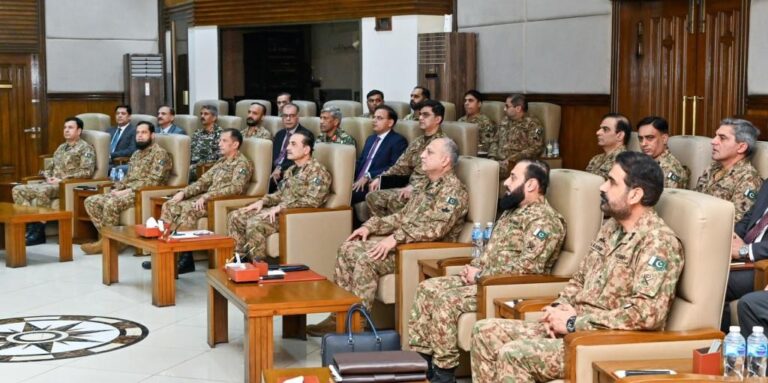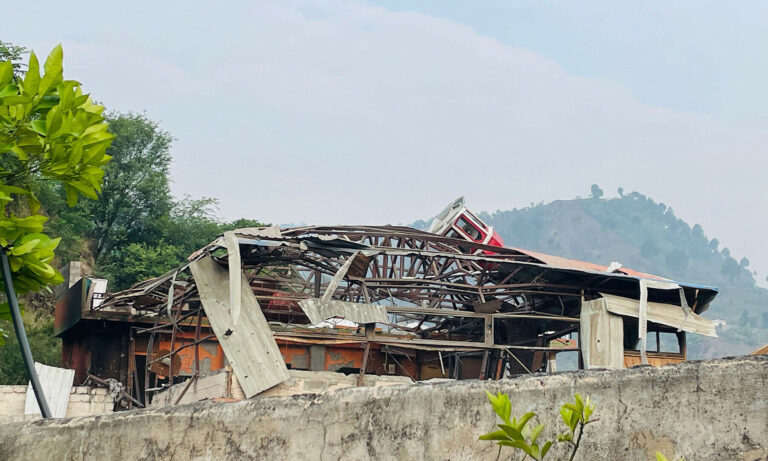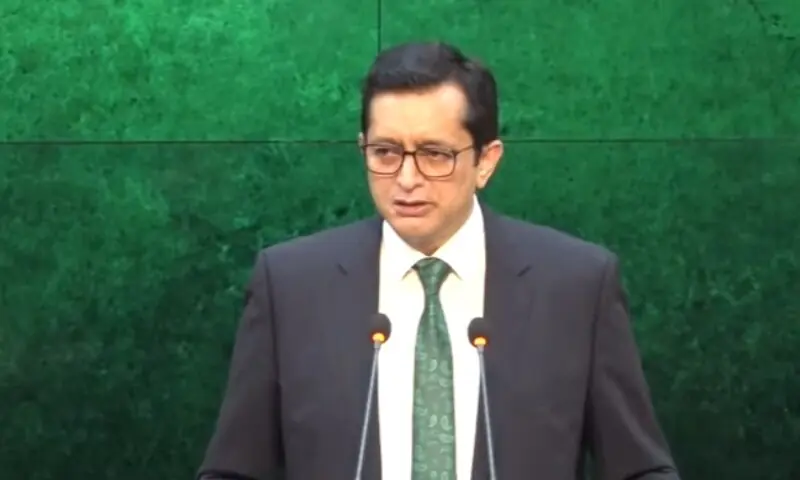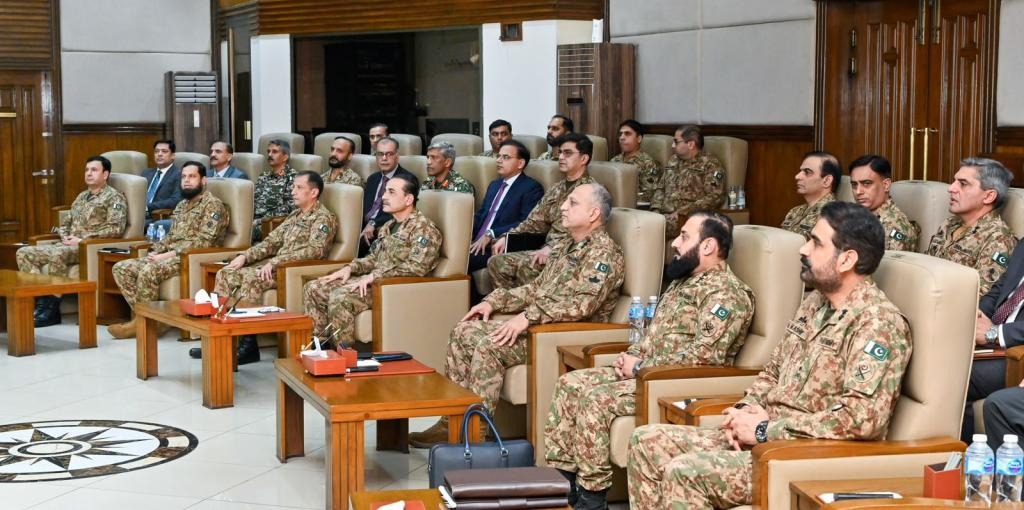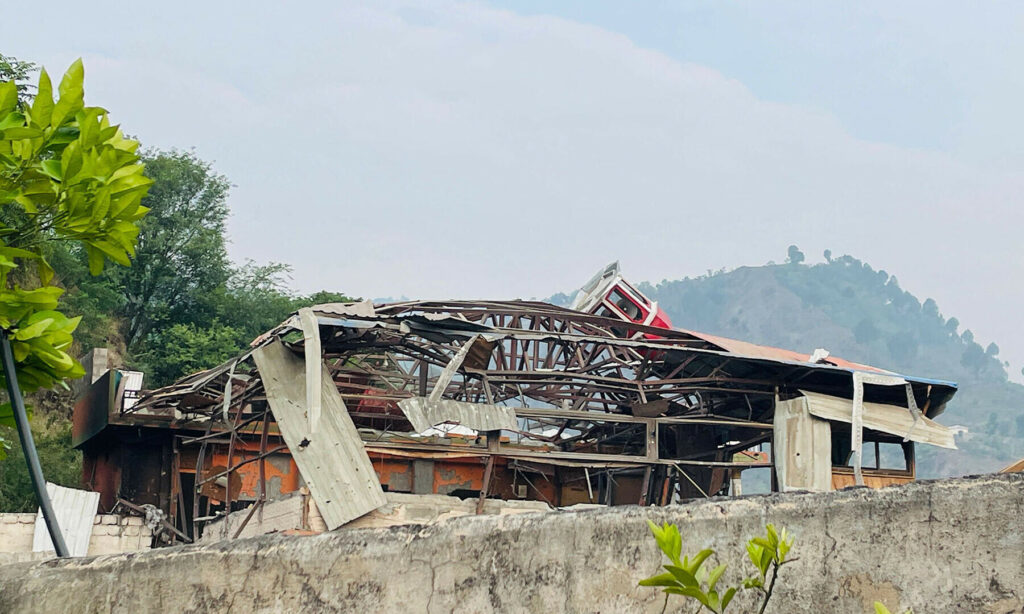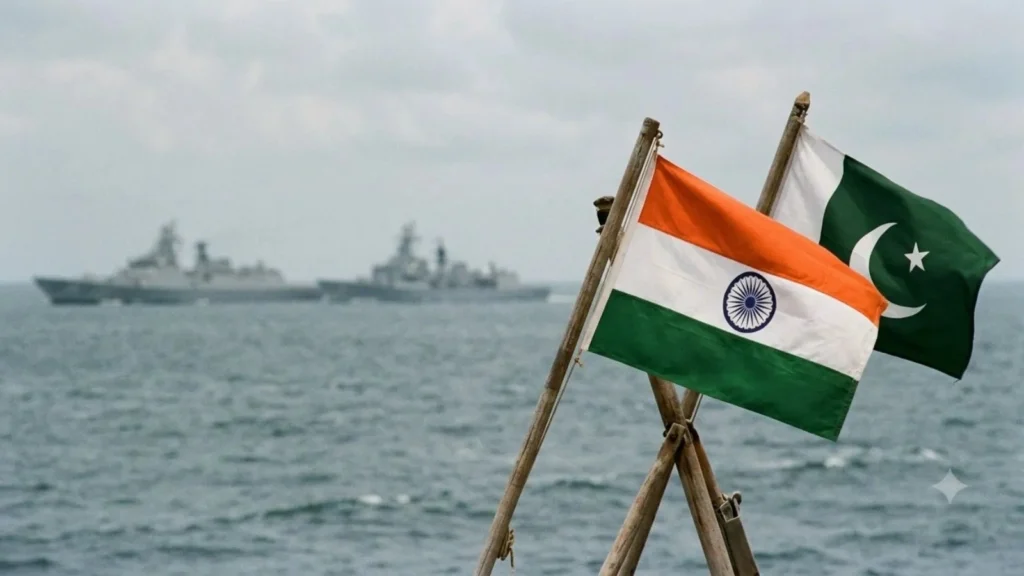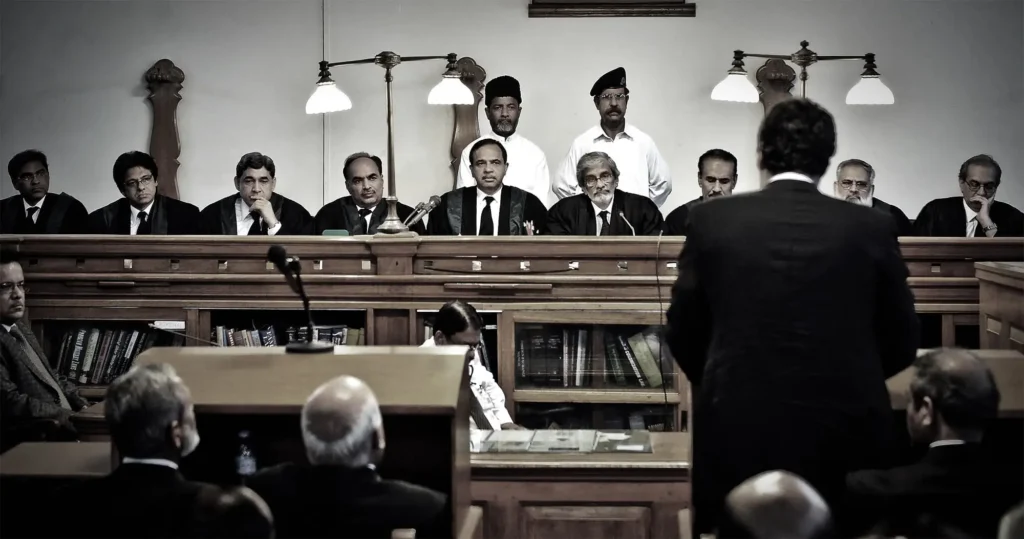
Pakistan’s response during the events of May 2025 was not viewed merely as a military episode, but as a defining strategic moment that reshaped regional perceptions, diplomatic engagement, and narrative warfare. This was the central focus of the seminar “Marka-e-Haq: Victory in the Battlefield & Beyond,” held at the Institute of Strategic Studies Islamabad (ISSI) on 13 May 2026.
The seminar brought together diplomats, military experts, analysts, journalists, and policymakers to examine how Pakistan’s military preparedness, diplomatic outreach, technological capability, and information management collectively influenced regional and global discourse following the conflict.
Strategic Stability and the Kashmir Question
Opening the discussion, Dr. Khurram Abbas, Director of the India Study Centre at ISSI, stated that Pakistan’s response reflected operational preparedness and a clear strategic message against coercion and unilateral aggression. He argued that recurring crises in South Asia remain tied to the unresolved Jammu and Kashmir dispute, warning that instability would persist unless the issue is addressed through dialogue and international engagement.
Dr. Abbas also cautioned against the dangerous assumption that conventional conflict can safely occur under a nuclear environment. He further expressed concern over the weaponization of water resources, warning that such actions could create long-term strategic consequences for regional stability.
A Defining Moment in Pakistan’s Strategic Trajectory
Chairman ISSI Ambassador Khalid Mahmood described May as a defining period in Pakistan’s strategic history. Drawing parallels between Pakistan’s nuclear tests in 1998 and the events of May 2025, he stated that Pakistan demonstrated not only military capability but also diplomatic maturity, political coherence, and effective information management. According to him, the crisis highlighted how modern conflicts are shaped not only on battlefields but also through diplomacy and narrative credibility.
He maintained that Pakistan’s coordinated response strengthened its image internationally as a responsible and resilient state committed to regional stability while remaining firm on sovereignty and national security. Ambassador Mahmood emphasized that lasting strategic success depends on transforming moments of national unity into long-term institutional, diplomatic, and economic strength.
Narrative Warfare and Information Credibility
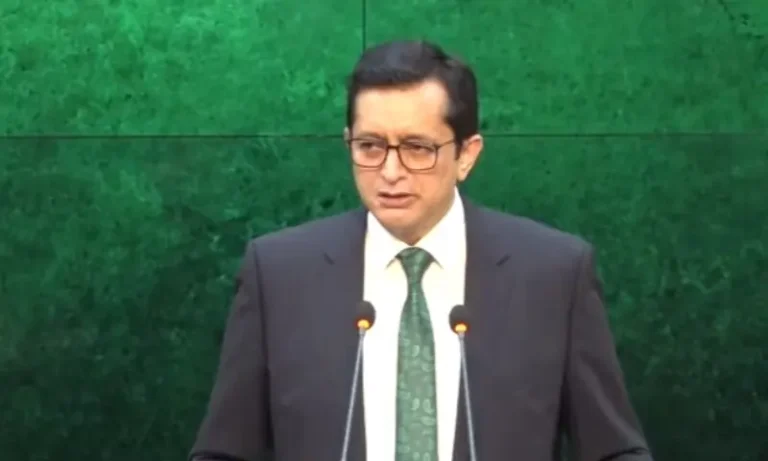
Federal Minister for Information and Broadcasting Attaullah Tarar focused extensively on the information dimension of the conflict. He maintained that Pakistan consistently advocated peace while India attempted to impose a one-sided narrative following the Pahalgam incident. Referring to Pakistan’s proposal for an impartial international investigation, he argued that India’s lack of response weakened its own credibility internationally. Mr. Tarar stated that Pakistan’s narrative gained traction because state institutions, diplomats, media outlets, and analysts operated with coordination and consistency. He praised Pakistani media for presenting verified information during the conflict, contrasting it with sensational and unverified claims circulating in sections of Indian media.
He also highlighted the role of Pakistan’s youth on digital platforms, noting how humor, memes, and social media activism became influential tools in the broader information battle. According to him, Pakistan succeeded because it focused on presenting facts effectively and at the right time. Discussing Pakistan’s international standing after the conflict, the minister argued that the country is increasingly being viewed as a serious and responsible actor capable of contributing constructively to regional and global peace efforts.
Technology-Driven Warfare and Strategic Diplomacy
Former Air Marshal Farooq Habib examined the military and technological dimensions of the conflict, explaining that warfare has evolved from conventional battlefield engagements toward technology-intensive and non-contact warfare involving cyber operations, electronic warfare, unmanned systems, and precision-strike capabilities. According to him, Pakistan’s armed forces, particularly the Pakistan Air Force, spent years modernizing operational doctrines, integrating advanced technologies, and developing multi-domain warfare capabilities. He noted that the May 2025 conflict demonstrated the effectiveness of these preparations, especially in beyond-visual-range aerial engagements and coordinated multi-domain operations.
Air Marshal Habib argued that the outcome produced consequences far beyond physical destruction. The targeting of advanced aerial assets created a psychological impact that altered regional perceptions regarding deterrence and military credibility. He also stressed that military success alone cannot sustain strategic advantage, emphasizing the need for institutional reform, technological development, national cohesion, and human development.
Foreign Office spokesperson Tahir Hussain Andrabi framed the events of May 2025 as a turning point in Pakistan’s diplomatic trajectory. He observed that for decades, Pakistan’s diplomacy often revolved around responding to allegations related to terrorism and instability, but the conflict altered this pattern because international audiences were able to observe developments directly rather than solely through competing narratives. Ambassador Andrabi explained that Pakistan launched an extensive diplomatic outreach campaign during and after the crisis, engaging world capitals, multilateral forums, and international media platforms to present Pakistan’s legal and strategic position. He emphasized that the conflict reinforced the significance of the Jammu and Kashmir dispute as a major source of instability in a nuclearized region.
He further argued that Pakistan’s position as a victim of terrorism received greater recognition internationally, while longstanding allegations against Pakistan faced increasing scrutiny. According to him, Pakistan’s diplomatic relevance expanded significantly after the conflict, particularly regarding dialogue initiatives connected to the Middle East and broader regional stability.
Hard Power, Narrative Warfare, and Regional Relevance
Journalist and analyst Nasim Zehra contextualized the events within Pakistan’s broader strategic history. She argued that Pakistan has historically relied on diplomacy and international engagement to manage regional asymmetry with India, but May 2025 represented a moment when Pakistan combined diplomacy with visible deterrent capability. According to her, Pakistan demonstrated that it would not accept attempts to impose unilateral regional dominance or establish a “new normal” through coercion. She emphasized that Pakistan simultaneously projected military preparedness while remaining open to dialogue and de-escalation, strengthening its international standing.
Ms. Zehra also highlighted Pakistan’s expanding role beyond South Asia into West Asian diplomacy and regional security discussions. Referring to Pakistan’s engagement with countries such as Saudi Arabia, Türkiye, Egypt, and Iran, she described Pakistan as an increasingly credible regional convener capable of facilitating communication during periods of international tension.
Strategic analyst Ahmad Hassan Al-Arbi focused on the evolving dynamics of digital information warfare. He argued that modern conflicts are no longer decided solely on physical battlefields, but also across digital platforms shaped by artificial intelligence, open-source intelligence, and citizen journalism. According to him, Pakistan succeeded because it prioritized credibility, transparency, and factual communication instead of exaggerated propaganda. He maintained that verified visuals, real-time updates, and citizen-driven digital engagement played a key role in countering misinformation during the conflict. Al-Arbi also emphasized the role of Pakistan’s younger generation in shaping the digital narrative. He described humor, memes, and online activism as unconventional yet highly effective tools that strengthened Pakistan’s narrative resilience during the crisis.
Regional Implications and Future Challenges
Former Foreign Minister Ambassador Jalil Abbas Jilani described the events of May 2025 as a significant turning point in Pakistan’s strategic history. He argued that longstanding attempts to portray Pakistan as a source of instability faced increasing skepticism internationally amid growing scrutiny of India’s regional behavior and allegations of transnational repression.
Ambassador Jilani maintained that the conflict demonstrated Pakistan’s resolve, military preparedness, and diplomatic coordination. He further noted that future conflicts in South Asia are likely to involve advanced technologies, artificial intelligence, cyber warfare, and precision systems, making continued modernization essential. He also stressed that the conflict revived international attention toward the Jammu and Kashmir dispute while exposing the dangers of escalation in a heavily militarized region. At the same time, he emphasized that sustainable peace in South Asia ultimately depends on dialogue, restraint, and political resolution of longstanding disputes.
The seminar concluded with a broader reflection on the changing nature of power in contemporary geopolitics. While military capability remained central, speakers repeatedly emphasized that strategic credibility today also depends on diplomacy, technological adaptation, narrative management, and national cohesion. Collectively, the discussion presented May 2025 not simply as a military confrontation, but as a moment that reshaped Pakistan’s regional posture and strengthened its position within an increasingly complex global order.

Our Editorial Desk is the intellectual engine of Digital Debate, responsible for the rigorous research that anchors every conversation. Our team deep-dives into data, checks every source, and consults academic literature to move beyond headlines and identify the questions behind the questions.