The tragic events of May 18, 2026, at the Islamic Centre of San Diego, the largest mosque in San Diego County, serve as a harrowing reminder of a growing, unchecked pathology, i.e., Islamophobia. The shooting killed a security guard and two other worshipers before the two heavily armed, teenage suspects, ages 17 and 18, killed themselves. Local officials and the FBI are still probing the massacre as a hate crime, but the social consequences are already of concern. Houses of worship, which are supposed to be places of peace and tranquility, are increasingly becoming victims of hate and ideological warfare.
This latest attack was not an isolated incident. It’s the extreme expression of a consistent trend of anti-Muslim sentiment, normalized by toxic political rhetoric, and reinforced through digital platforms. To dismiss this tragedy as merely another random act of American gun violence is to ignore the specific, venomous targeting of a minority community during a sacred time, just a week before Eid al-Adha and the Hajj pilgrimage.
From Rhetoric to Bloodshed
In his initial brief, San Diego Police Chief Scott Wahl pointed to a background of “generalized hate rhetoric and hate speech” rather than a single, isolated threat. This is a critical distinction. Modern radicalization rarely begins with an explicit threat; it is nurtured in the fertile ground of generalized dehumanization. If Muslims are consistently shown in the public eye and in the media as an existential threat, they lay the groundwork for impressionable minds to justify extreme violence.
The youth of the perpetrators in the San Diego shooting is particularly alarming. The fact that teenagers as young as high school can become so consumed with hate that they wear military camouflage, steal multiple guns, and then commit mass murder is a massive systemic failure.
In the previous year, the United States saw an unprecedented 8,683 complaints and anti-Muslim incidents nationally, according to data published in CAIR’s 2026 Civil Rights Report entitled “The Right to be Different.” This surge is directly linked to the unchecked proliferation of extremist propaganda on social media, where young, vulnerable individuals are systematically groomed into white supremacist and Islamophobic ideologies.
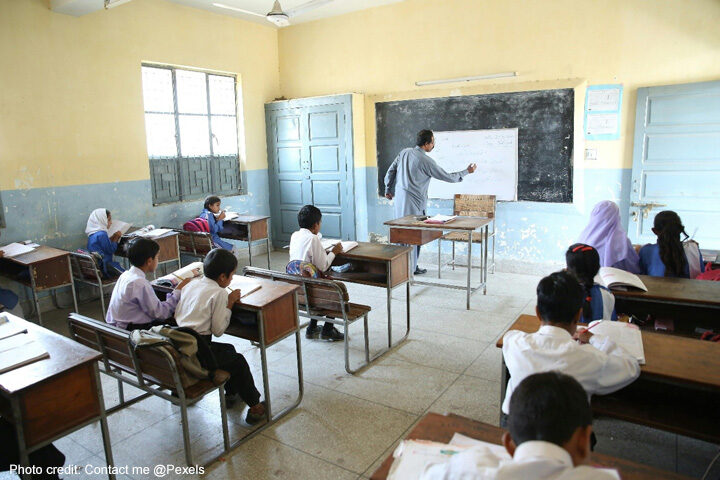
The security guard who lost his life in San Diego acted as a shield, preventing the gunmen from entering the complex where a day school full of children was in session. While his heroism saved countless lives, the reality that a house of peace requires armed defense to protect children is a damning indictment of our current social climate.
Geopolitical Spillovers and the Path Forward
Domestic Islamophobia has roots in global geopolitics. Western countries are seeing a constant trend of minority religious groups suffering the consequences of Middle Eastern conflicts. If a conflict is seen as political, rather than civilizational, it is the blood of domestic minorities that will be lost. It is a vicious cycle where overseas violence fuels domestic prejudice, and domestic prejudice manifests in local terrorism.
Solving this crisis demands more than routine political statements. Governments globally must play a proactive role to confront systemic prejudice. The UN General Assembly, which established the United Nations’ International Day to Combat Islamophobia on March 15, has repeatedly warned of the global spread of this bigotry, advocating for structural changes in education, media representation, and legal protections.
The victims of the San Diego Mosque shooting deserved to practice their faith in peace. Until societies confront the root causes of generalized hate rhetoric, the tragic cycle of violence will continue, and the promise of religious freedom will remain unfulfilled.

Our Editorial Desk is the intellectual engine of Digital Debate, responsible for the rigorous research that anchors every conversation. Our team deep-dives into data, checks every source, and consults academic literature to move beyond headlines and identify the questions behind the questions.