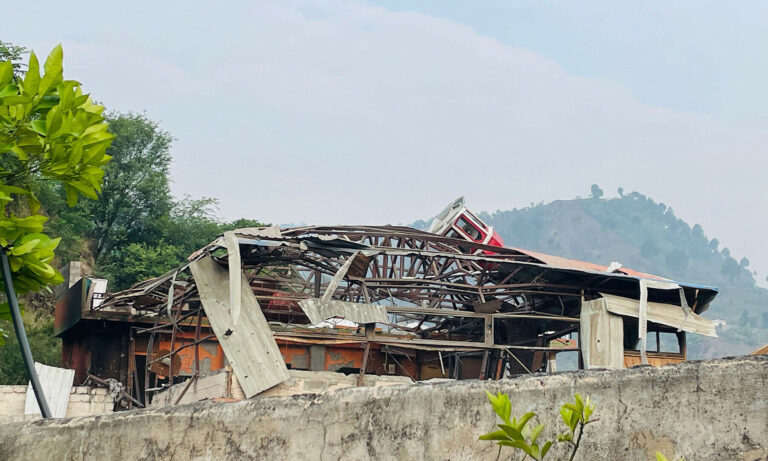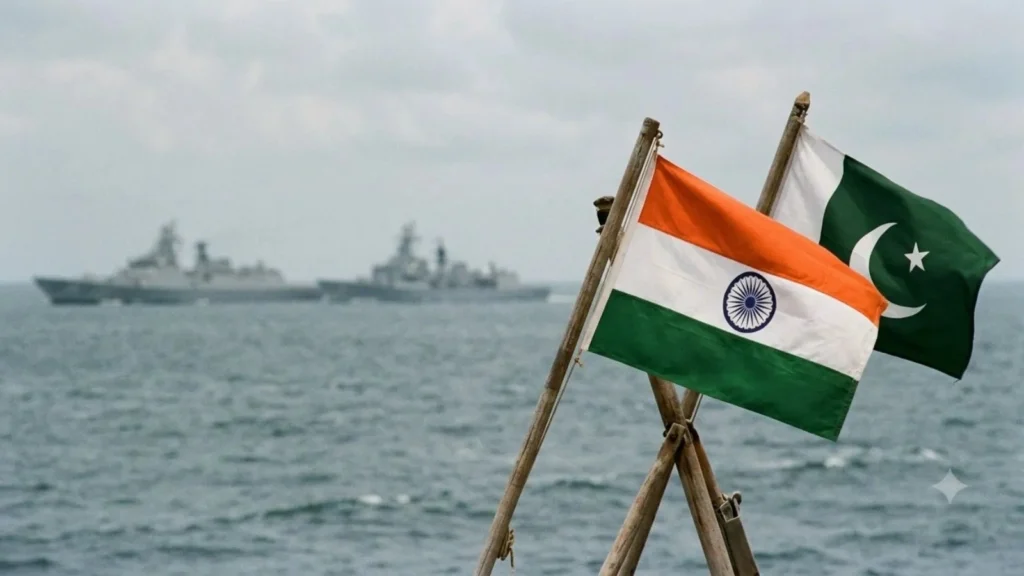
It’s almost a year now since the events that became known as the ‘Marka–e-Haq’, a short but intense battle that has really redefined the perception of power in South Asia. What started as an unprovoked escalation, based on allegations by India over a terrorist attack in the town of Pahalgam, soon morphed into a showcase of Pakistan’s sophisticated defenses and strategy.
Four Days of High-Intensity Engagement
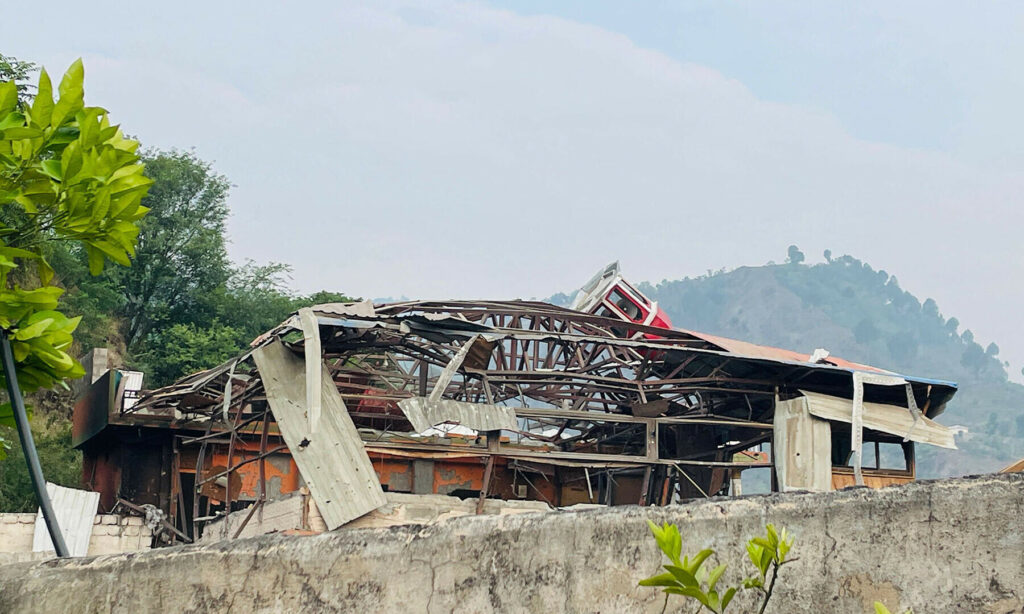
Last year, in May, the region was on the brink of a larger calamity. India initiated an assault utilizing a multi-layered approach involving missiles, drones, and fighter aircraft. But the story is not about the first shot; it’s about the efficiency of the Pakistani response. The technical reports and internal accounts suggest that Pakistan’s armed forces were far better equipped than Indian Intelligence could have guessed.
The battle was a major Indian defeat. Pakistan successfully established naval superiority by neutralizing several Indian vessels, including the confirmed sinking of at least six large warships. Furthermore, in a significant blow to modern defense technology, an S-400 air defense system, often cited as a regional game-changer, was successfully targeted and destroyed. This was backed by precision bombing by JF-17 and J10C aircraft. Pakistan also put the TL-15 missile to good use, demonstrating that its local and indigenous technical capabilities match world-class standards.
Technological Prowess and Cyber Resilience
The Marka–e-Haq incident was a ‘live’ test of Pakistan’s integrated platforms. The war was fought not only on the battlefield but also in cyberspace. One of the most important lessons to be learned from the event was the integrity of Pakistan’s data infrastructure, despite the intensity of the four-day engagement, national data remained intact, and cybersecurity protocols proved robust against external suppression.
This “shattering of teeth” was not merely physical but psychological. The whole world saw that the fabricated propaganda against Pakistan’s alleged support of terrorism was unsustainable, and Pakistan adopted a state-level defensive posture. During a battle, Pakistan displayed its technical capabilities to the world, which confirmed for everyone the country’s self-reliance.
Strategic Diplomacy and Post-War Realignment
Since the war, Pakistan has taken a new turn in its foreign policy. Regional neighbors have stepped up their initiatives to cement relations with Pakistan, seeing it as a responsible nuclear state that seeks stability rather than escalation. Shortly after the incident, a landmark defense agreement was signed with Saudi Arabia, reinforcing the traditional alliance with a new emphasis on modern combat readiness. Likewise, talks with Qatar for defense cooperation are in progress, and other Middle Eastern countries are beginning to recognize Pakistan as an important and tech-savvy security partner.
The Marka–e-Haq incident was more than a tit-for-tat military exchange; it was a watershed event. Pakistan proved it does not desire war yet possesses the technical and military sophistication to handle its business effectively if forced into a fight. The message to the international community is simple and clear that Pakistan is a technically advanced, responsible, and prepared sovereign state, which is a pillar of regional stability.

Dr. Tughral Yamin is a retired Brigadier, PhD scholar, and author of five books on national security. He is the Associate Dean (Retd) of CIPS-NUST and a Senior Fellow at IPS Islamabad. An expert in UN Peacekeeping and nuclear strategy, he currently focuses on cyber governance, hybrid warfare, and Pakistan's emerging diplomatic role in a multipolar world.