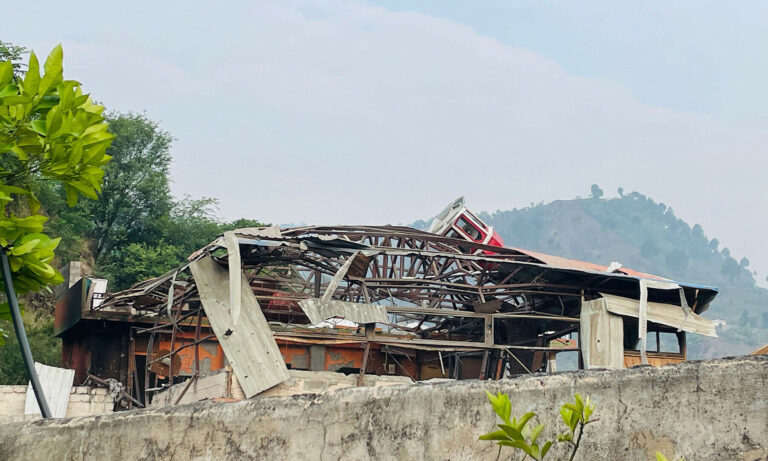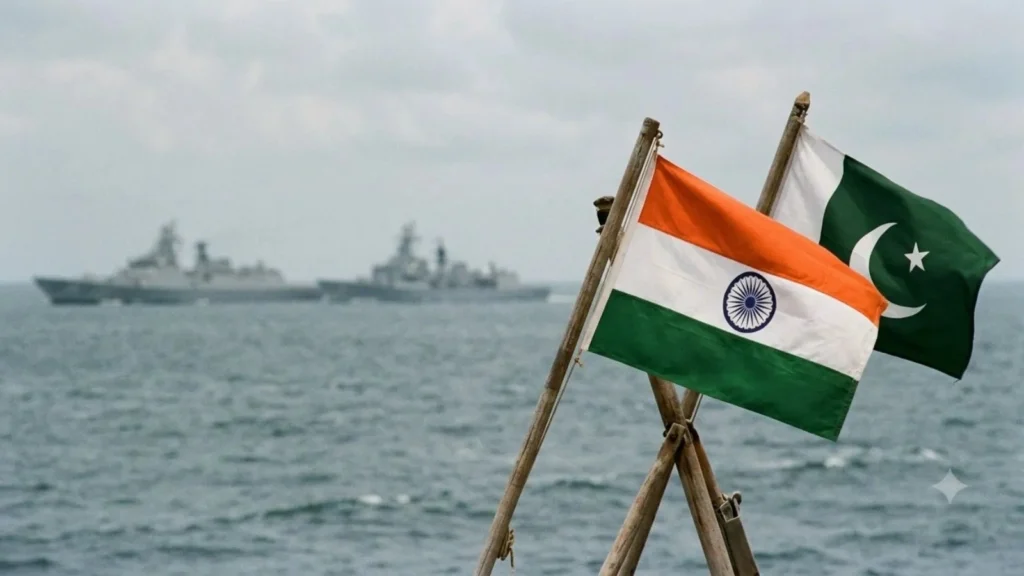
In the early hours of May 7, 2025, India launched Operation Sindoor, firing missiles at nine sites across Pakistan and Pakistan-administered Kashmir. The strikes lasted 25 minutes. India called them aimed at “militant infrastructure” involved in the April 22 attack in which 26 tourists were killed in Indian-administered Kashmir. They were condemned by Pakistan as “an unprovoked and blatant act of war,” and the Pakistani government said India had no proof of Pakistani involvement in the Pahalgam attack and had rejected calls for a neutral investigation. The strikes resulted in the deaths of 31 Pakistani civilians, including women and children, and damage to residential areas, mosques, and civilian infrastructure in six cities.
What India did not anticipate was what came next. Pakistan’s response was not immediate. It was calculated. In three days, as India conducted multiple drone strikes and loitering munitions, Pakistan was able to intercept around 77 Israeli drones of the Harop kind using their electronic as well as conventional defenses, absorbed the pressure, and waited. Pakistan’s restraint was deliberate and strategic.
In the first large-scale aerial engagement, approximately 125 jets from both sides were present at standoff ranges, making it the largest aerial engagement in recent times involving fourth-generation fighter jets. Pakistan Air Force launched Chinese-supplied J-10C aircraft with PL-15E BVR missiles and HQ-9P missile defense systems in a networked combat system. Using a coordinated approach, Pakistani forces shot down multiple Indian aircraft, including Rafale fighter jets, in what became a success story in terms of the effectiveness of their response compared with India’s fragmented one. A French intelligence official confirmed to CNN the first-ever combat loss of a Rafale jet in active service. That confirmation reverberated well beyond South Asia.
Pakistan’s Response
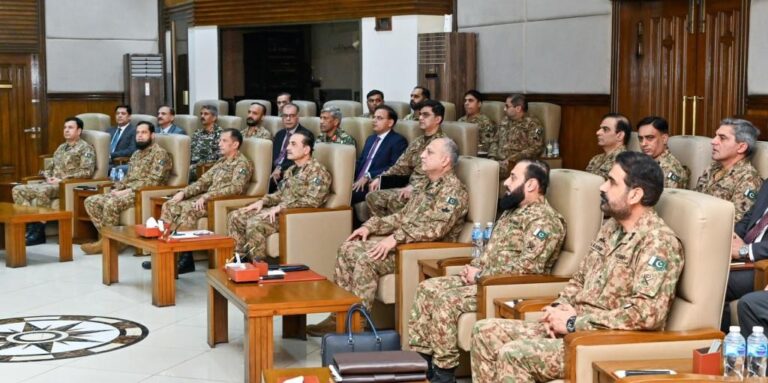
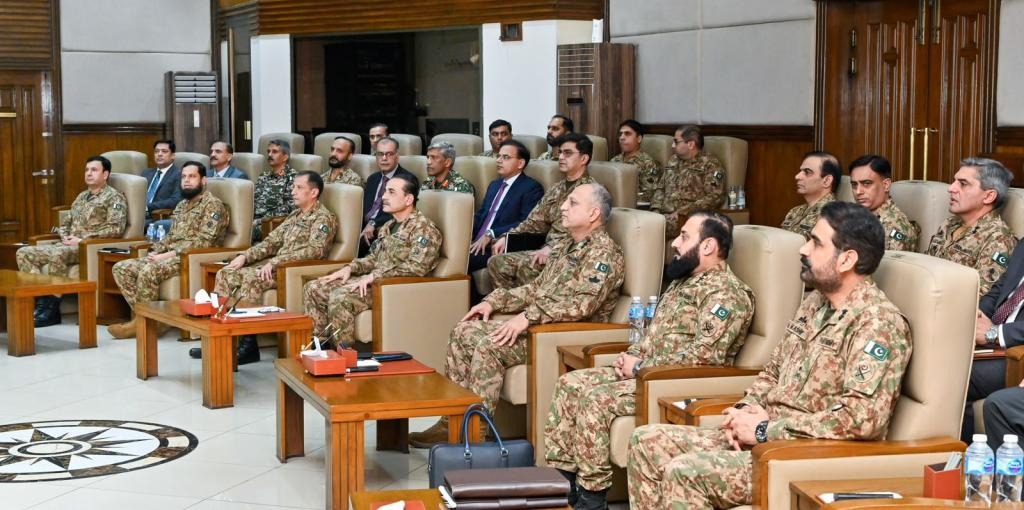
On May 10, Pakistan formally announced its counter-offensive. The military ban, called Operation Bunyan-un-Marsoos, or a solid, cemented structure, was set for deployment in the early hours of May 10, against at least 26 Indian military bases in various air bases. Pakistan said it struck and caused major damage to 15 Indian airbases, including Suratgarh, Sirsa, Adampur, Pathankot, Ambala, Srinagar, and Udhampur, destroyed BrahMos storage facilities at Beas and Nagrota, and neutralized two S-400 air defense systems. The strikes employed the Al-Fatah ballistic missile system, named after children who died during India’s earlier strikes.
The Swiss newspaper Neue Zürcher Zeitung noted that the downing of a French-made Rafale by a Chinese-made air defense system operated by Pakistan raised serious concerns for Western military technologies and added that Operation Sindoor appeared to have turned into a disaster for India. That assessment, from a neutral European publication with no stake in the outcome, carried weight precisely because it came from outside the region.
The Diplomatic Fallout
India’s miscalculation not only resulted in military repercussions but also in diplomatic repercussions. For years, India had campaigned for Pakistan’s image as a haven for terrorists and its own as a good neighbor that operates within international bounds. Operation Sindoor wrecked both arguments. Actions such as striking an independent nation without proof, killing civilians, and failing to allow an independent investigation complicated India’s counterterrorism record on the international scene.
The United States brokered the ceasefire on May 10. India argued that the truce was between the two countries without any third party. Trump publicly disputed that version, and Pakistan openly admitted to American involvement. The situation left India in an awkward predicament, having to challenge the account of its ally. The war brought Pakistan’s divided domestic political landscape together and provided Pakistan with a strong diplomatic edge over India in the context of Trump’s role in the ceasefire, the Atlantic Council said.
China’s air force chief visited Pakistan in July 2025 to learn how Islamabad had developed the kill chain for the Indian Rafale jets. That visit was a quiet but pointed signal. Chinese military technology in combat with Western-supplied Indian technology had yielded results that defense establishments around the world were studying. India did not plan on making that demonstration. It did anyway.
Operation Sindoor had three premises: No evidence would be needed; Pakistan would not retaliate on a large scale; and India would come out stronger militarily and politically. All three assumptions proved wrong within four days. The ceasefire that ended the conflict was not India’s to claim. It was arranged by a third party at India’s discreet request, after a response Pakistan chose to deliver on its own terms.

Our Editorial Desk is the intellectual engine of Digital Debate, responsible for the rigorous research that anchors every conversation. Our team deep-dives into data, checks every source, and consults academic literature to move beyond headlines and identify the questions behind the questions.