The international troops pulling out of Afghanistan in 2021 were generally seen as the end of a decades-long conflict, an instance when the region could finally breathe. In the case of Pakistan, however, this shift was not the start of a new era of peace; rather, it marked the onset of a multidimensional and intricate battle to attain regional stability. The situation at present is not simply an extension of past resentments but a complex development of asymmetric warfare in which diplomatic, economic, and military strands are interlaced with each other.
The Kandahar Turning Point and the Seeds of Strategic Shift
The origin of the present tension between India and Pakistan on the issue of Afghan soil is not a new development but rather a certain historical trauma. It can be traced to the hijacking of Indian Airlines Flight 814 in December 1999. It became a key trigger to the change in Indian counter terrorism and regional policy, which ultimately occurred after the Taliban government lost control of the situation in Kandahar airport. Vivek Katju, who was the chief negotiator of India at the time, made a shivering remark after the incident that while India would absorb the current blow, Pakistan would eventually find itself unable to absorb the counter-pressures India would later exert. It was the end of the passivity of Indians and the initiation of a proactive policy towards Pakistan.
This caution materialized as a strategic shift in 2002. With the collapse of the Taliban, India started developing a strong constitutive presence in Afghanistan. This included establishing multi-layered relations with all the stakeholders, such as political elites, intelligence officers, and local leaders in the presidency of Hamid Karzai and Ashraf Ghani. This is an intelligence-led, diplomatic groundwork that has preconditioned a long-term project to punish Pakistan. India took root in the state apparatus of Afghanistan, ensuring that, despite the change of governments, an anti-Pakistan sentiment was left in the Afghan intelligence and security apparatus, and thus a permanent point of friction on the western border of Pakistan.
The Doval Doctrine and the Exploitation of Internal Fault Lines
One of the key characters in this account of contemporary regional warfare is Ajit Doval, an Indian National Security Advisor. The major security conference was held in 2009 in Delhi, titled How to deal with an inflexible and protocol-oriented Pakistan. It is through these high-level deliberations that the Indian strategists recognized the internal fault lines of Pakistan as the best arena to operate. These fault lines specifically refer to ethnic and regional grievances in Balochistan and tribal border areas. The policy was no longer based on direct military challenges, but it involved exploiting internal insecurity to convert local frustrations into mechanisms of national destabilization.
Since 2014, these plans have been put into practice in a systematic way, via a doctrine commonly known as the victory through wealth or asymmetric attrition. According to this theory, Pakistan is being drained financially and logistically by funding proxy groups such as the Tehreek-e-Taliban Pakistan (TTP) to the Baloch separatist movements just to drain its military power and to destroy its global reputation. Through compelling the Pakistani state to spend billions of dollars on domestic security and counterinsurgency, opponents are seeking to derail the economic progress of the country and maintain it in a state of constant crisis. By doing this, external actors can retain plausible deniability while significantly impacting the sovereign strength of the Pakistani state.
The Taliban Paradox and the Crisis of Trust
The relationship between the Pakistani Taliban, or TTP, and the Afghan Taliban is one of the most debatable and complicated elements in the present security arena. Whereas some international observers consider them as two sides of one coin, it has a more critical aspect. Both groups have a common ideological commitment to a Caliphate and a given view of what should be understood as Islamic Sharia, but the difference in their strategic interests is fundamental. The Afghan Taliban has become a governing institution that aims at state survival, unlike the TTP, which is an insurgent group aiming at the ousting of the Pakistani constitutional order.
The fact that the Afghan Taliban gave the TTP an official shelter, however, poses an enormous diplomatic and security crisis to Islamabad. Although the Afghan Taliban often proclaim their Islamic fraternity and friendly coexistence publicly, they are holding a knife under their arm and talking of peace. This hypocrisy is seen as a result of the long-held suspicion of the Afghan establishment towards Pakistan. Despite the new regime, the attitude of the mid-level officers in the Afghan intelligence and security services, most of whom were trained in the previous regimes or even affected by the regional rivals, is still antagonistic towards Pakistan. This institutional inertia allows the Afghan soil to continue being a launchpad for activities that destabilize its neighbor.
Economic Sabotage and the Targeting of CPEC
The economic future of Pakistan, particularly the China-Pakistan Economic Corridor (CPEC), has direct and devastating consequences on the security situation. According to Gul, the recent spike in attacks targeting Chinese engineers and projects is not a sequence of spontaneous militant actions, but an act of economic sabotage. The aim is to isolate Pakistan both diplomatically and economically by demonstrating that it is not a safe place to invest globally. By creating the perception that security is bad, regional competitors are also trying to make sure that Pakistan stays in the same position economically as they move forward with regional trading and connectivity.
The cooperation of Baloch nationalists, Pashtun extremists, and foreign intelligence agencies forms a web of proxy terrorists who serve as facilitators of the anti-Pakistan agenda. These groups are not autonomous agents by themselves, motivated purely by local grievances; instead, they are exploited as instruments to make sure that no government in Islamabad can ever gain lasting stability or successfully become a part of the global economy. The fact that these internal disputes were fueled by the use of digital platforms and social media accounts that were run abroad only underscores how advanced this shadow war was in the 21st century.
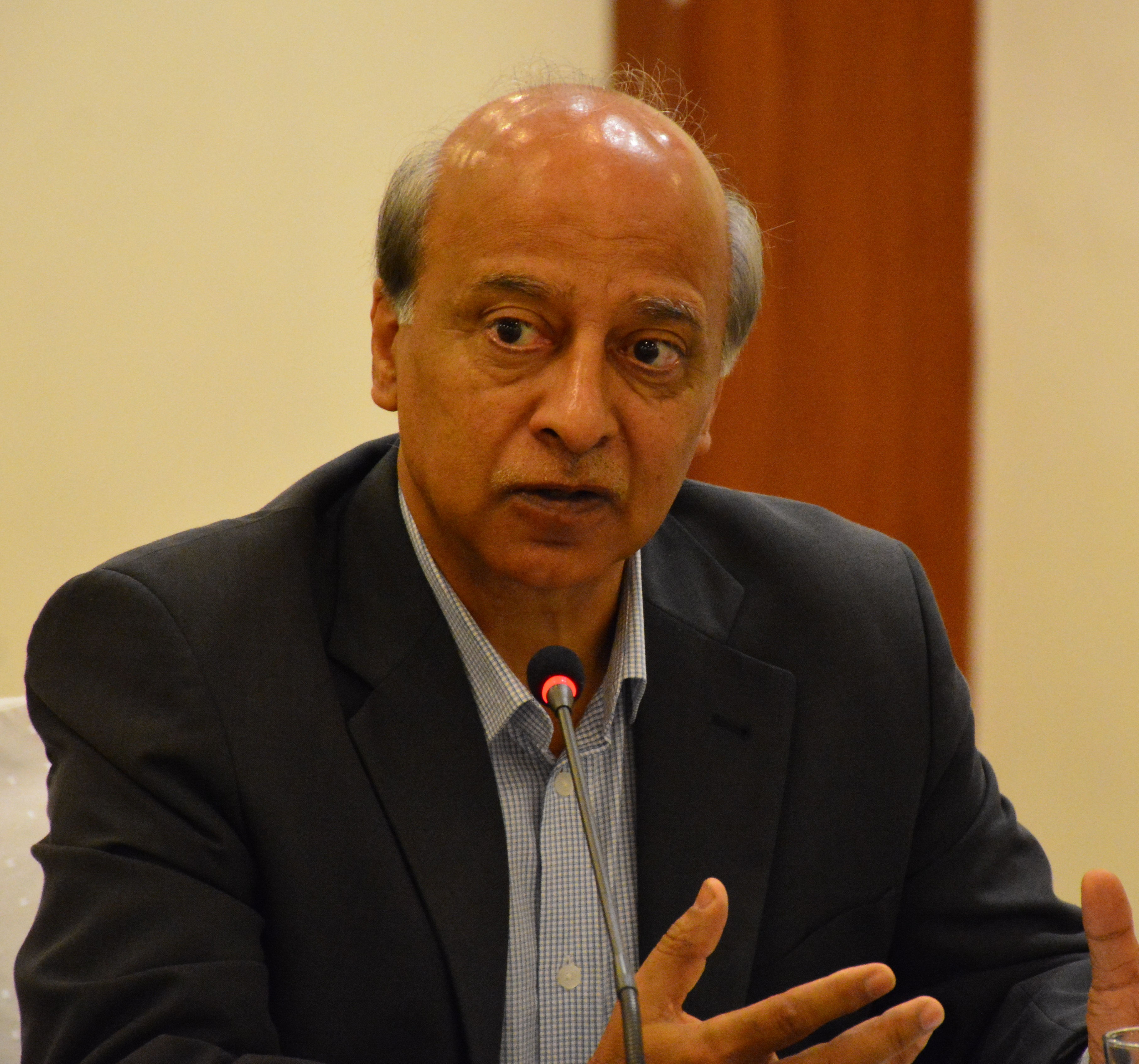
Imtiaz Gul is the Executive Director of the Center for Research and Security Studies (CRSS) and a renowned expert on regional security, counterterrorism, and Pak-Afghan relations. An accomplished author and international commentator, he has spent over 30 years documenting the shifting geopolitical landscape of South Asia for global media and policy organizations.