At a glance
- The development: COP31 concluded in Antalya on 22 November without an overarching political agreement after divisions over fossil fuels blocked consensus.
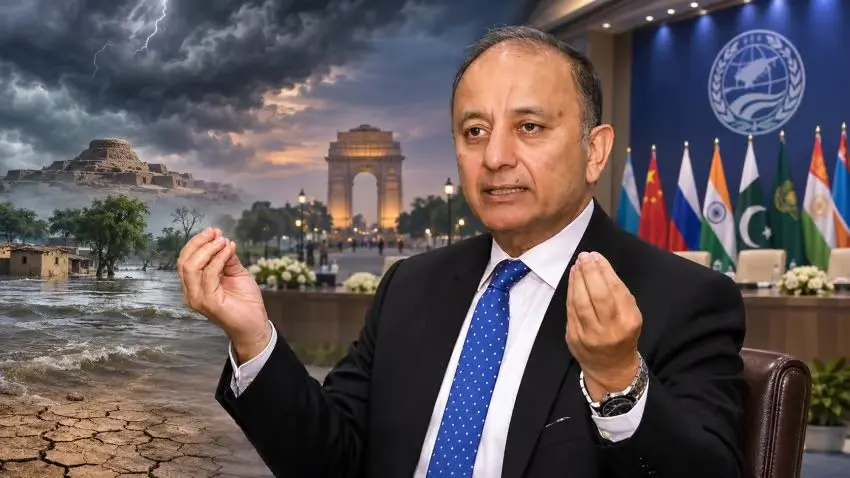
- Pakistan’s position: Its delegation urged countries to build “bridges, not barriers” and preserve the broader negotiating package.
- The consequence: Separate finance and just-transition decisions survived, but the summit left major disagreements unresolved. Pakistan must now pursue practical funding and implementation opportunities.
What Happened
The proposed Antalya Pact failed after the EU and other delegations rejected a text omitting reference to fossil fuels. Pakistan urged further efforts towards agreement; Ghana, representing the African Group, acknowledged weaknesses but said it would not block consensus. Climate-vulnerable countries therefore differed over whether accepting the package would preserve progress or weaken ambition.
The failure did not overturn the Paris Agreement or erase every outcome. The official UK assessment confirms progress on separate finance and just-transition negotiations.
What survived
| Track | Recorded position |
|---|---|
| Just transition | A separate decision survived; implementation and support arrangements require further work. |
| Climate finance | Separate negotiating outcomes continued despite rejection of the overarching pact. |
| Electrification pledge | A presidency-led ambition for electricity to meet 35% of global final energy consumption by 2035, not a binding target agreed by all parties. |
| Existing commitments | The Paris Agreement and previously agreed commitments remain in place. |
Who Said What
“bridges, not barriers.”
“There may be no consensus in the negotiating room. There is no ambiguity in the science.”
“The world cannot afford a repeat of this moment.” “It is unacceptable that this decision remains silent on fossil fuels, the principal driver of (the) climate crisis.”
“It is unacceptable that this decision remains silent on fossil fuels, the principal driver of (the) climate crisis.”
Closing Remarks, Antalya
The Context
Pakistan’s COP31 priorities included climate-finance delivery and loss and damage, building on its role in establishing the fund at COP27. The distinction now is between maintaining international cooperation and securing resources that affected communities can actually use.
Reading the outcome
Consensus Quality: Pakistan’s effort to preserve negotiations was constructive. Its value depends on whether the resulting cooperation protects ambition and produces implementation.
Finance Delivery: Negotiating decisions, donor pledges, project approvals and actual payments are different milestones. Pakistan should report them separately.
Domestic Preparation: Islamabad can strengthen its position through documented needs, eligible project proposals and transparent delivery arrangements. These are practical steps within Pakistan’s control.
Why It Matters
- For Pakistan: Delayed finance leaves disaster recovery and climate protection competing with already stretched public resources.
- For the world: Failure to agree on the political package weakens collective direction while existing commitments still require delivery.
What to Watch
National Assessment
Pakistan’s published account of what it supported, what survived and which commitments it will pursue.
Funding Decisions
New contributions, Pakistani project approvals and actual disbursements through relevant climate funds.
Funding Decisions
New contributions, Pakistani project approvals and actual disbursements through relevant climate funds.
Coalition Strategy
Whether Islamabad develops joint demands linking credible emissions action with accessible finance before COP32.
COP31 Opens with an Electrification Push, Can Antalya Deliver Beyond the Pledges? ↗

Our News Desk represents a rapidly expanding frontier in contemporary journalism, focusing on the intersection of technological advancement, geopolitical narratives, and the shifting dynamics of public information.