The 2026 Global Peace Index, published this month by the Institute for Economics and Peace, opens with a finding that demands attention. This is the 12th consecutive year that global peacefulness has deteriorated, and the 15th deterioration in the last 18 years. Of 163 countries ranked, 99 recorded a fall in peacefulness over the past year, while only 62 improved. There are now 119 countries less peaceful than they were in 2008, when the index was first published. The document is 115 pages of evidence for a single conclusion that the mechanisms the world constructed to stop and prevent wars are no longer working.
The scale of the problem is not abstract. The number of deaths attributable to violent conflict stood at just over 181,000 in 2025, second highest in the index’s history after a peak of 309,000 in 2023. The indicator for deaths due to internal conflict showed the worst single-year decline since the index was launched, increasing 6.5% to 56 countries. There are now 20 countries recording more than 1000 internal conflict deaths in a single year, up from eight in 2008. The number of countries involved in external conflict has risen from 59 to 103 over the same period. The internationalization of war, that is, when third parties sponsor, provide, and join wars at locations beyond their borders, has become the rule, not the exception.
As deaths mount, so do military expenses. In 2025, the total of world military spending was $2.9 trillion, or 5.8% higher in real terms than in the previous year, the biggest rise since the index was first compiled. 97 countries increased their relative defense spending. The NATO summit in The Hague committed member states to five percent of GDP on defense and security by 2035. The economic cost of violence, measured in purchasing power parity terms, was $21.8 trillion, representing 10.5% of global GDP, or $2,657 for every person alive. For context, global expenditure on peacebuilding and peacekeeping totaled $49.2 billion, just 0.5% of total military spending. The ratio of investment in ending wars to investment in fighting them is 200 to one in the wrong direction.
Where the Damage Is Worst
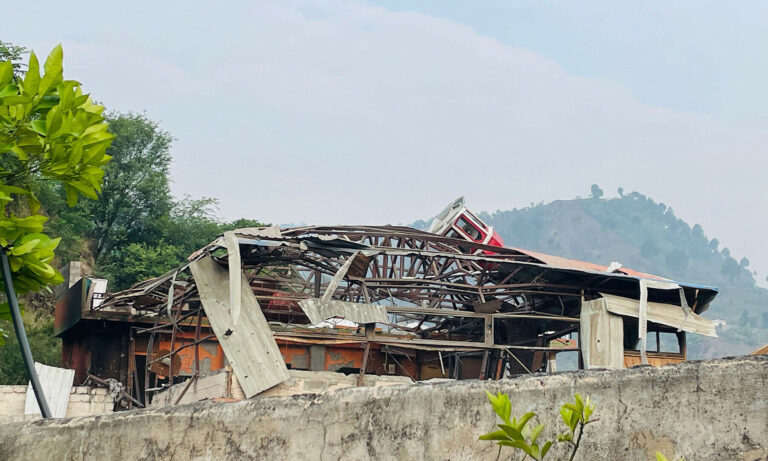
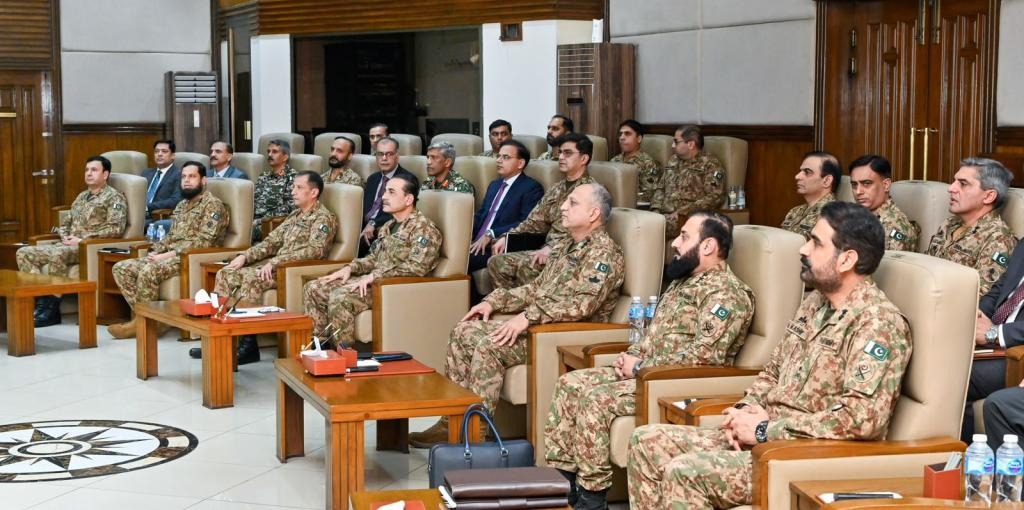
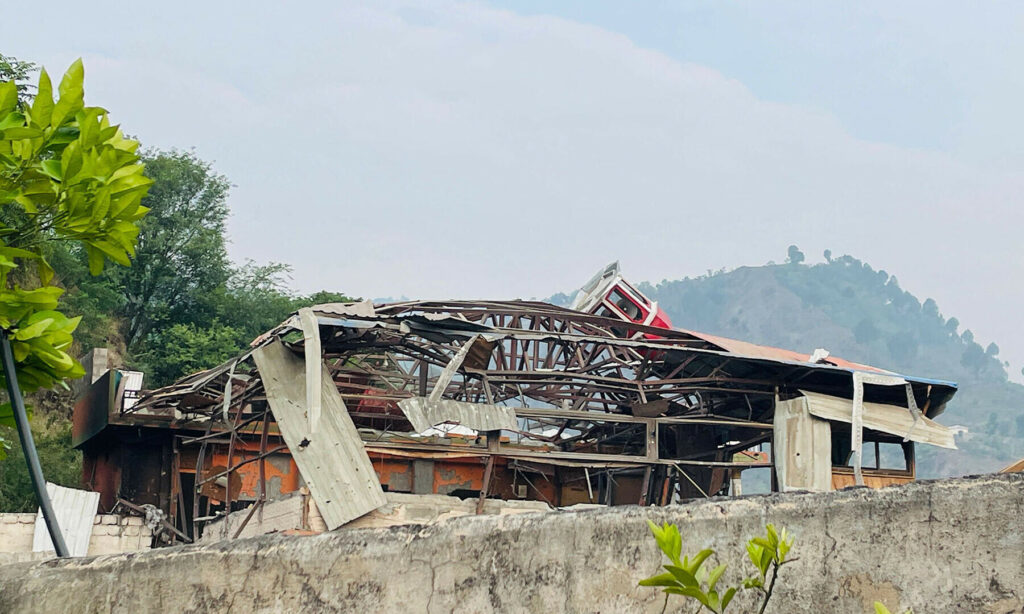
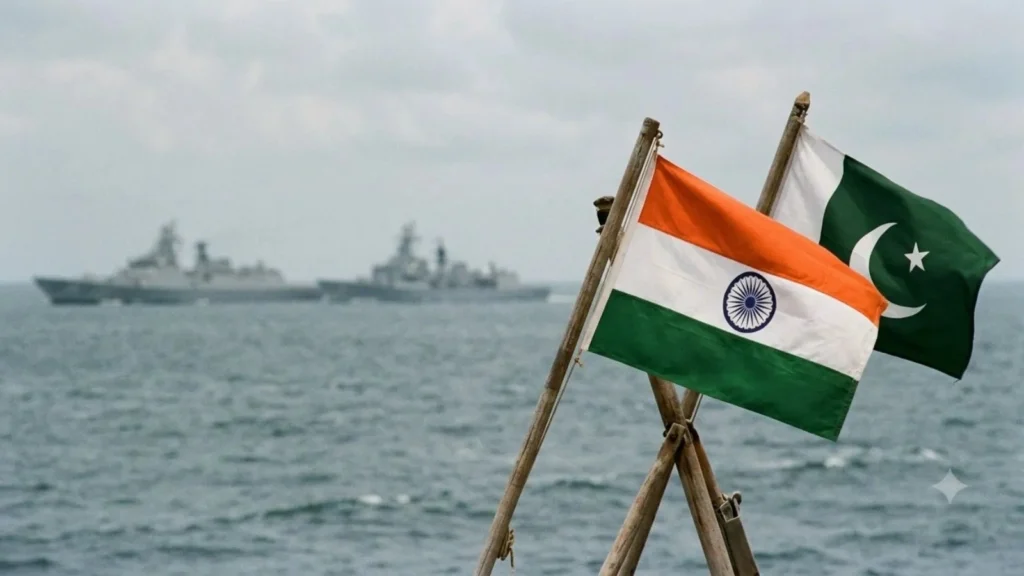
The South Asian region had the greatest overall decline in all eight GPI regions. The four-day military exchange between India and Pakistan in May 2025, described by the index as the most serious armed clash between the two nuclear states since 1971, drove the largest single-indicator deterioration in the region’s neighboring countries relations score. Pakistan slipped to 152nd place in the world, falling six places, as its deaths due to external conflict indicator dropped by 86.9% and deaths due to terrorism rose to 1139 in 2025, placing it at the top of the Global Terrorism Index. India slipped to 127th, with the ongoing conflict domain declining by 9.2%, mainly due to the persistent ethnic issue in Manipur and the increase in tensions with Pakistan and Myanmar.
The Middle East and North Africa remain the least peaceful region in the world. This edition only partially covers the Iran war, which broke out on February 28, 2026, because there is a December 2025 cutoff date on most indicators. Even so, the report’s economic analysis projects that global GDP losses from the first year of the Iran war amount to approximately 0.6% of global GDP. Successful diplomacy that ends the war could deliver $2.2 trillion in economic benefits globally. The annual cost of continued stalemate is $1.3 trillion. The annual cost of renewed escalation is $3.5 trillion. Those figures translated the cost of Pakistan’s mediation service in real dollars.
The most disturbing part of the report for the long run is the AI chapter. The number of drone strike events increased 11,500-fold from 2018 to 2025, with 565-armed groups carrying out at least one drone strike. Target-to-fire times have fallen from around one day with cruise missiles in the 1990s to five seconds with autonomous selection systems used in Ukraine and Iran. The Israel Defense Force’s Lavender system identified 37,000 Palestinians as potential militants, but due to a 10% failure rate, operators reportedly spend about 20 seconds per person looking into each of the identified AI-generated targets. Of 193 UN member states, 118 are not participating in any of the seven leading AI governance initiatives. The tools to regulate the development of military technology are not keeping up with the pace at which technology is developing.
The GPI’s most sobering long-run finding is about endings. The share of state-based conflicts concluding in a peace agreement has fallen from 23% in the 1970s to about four percent in the 2010s. The share ending in a clear military victory has fallen from 49% to 9% over the same period. Wars are not just becoming more numerous; they’re becoming more vicious. They are becoming nearly impossible to end. $2.9 trillion was spent in 2025 to prepare for war and $49.2 billion to make peace. The ratio explains the result.

Our Editorial Desk is the intellectual engine of Digital Debate, responsible for the rigorous research that anchors every conversation. Our team deep-dives into data, checks every source, and consults academic literature to move beyond headlines and identify the questions behind the questions.